Continue reading
Continue reading
Continue reading
Continue reading
Continue reading
Continue reading
Continue reading

Saturday, 29 May 2021

7 Tricks You Can Make To Start Losing Weight Today


Losing weight can be a very difficult task to overcome especially for those who are highly motivated. In addition, as a person ages the more difficult it gets to maintain an appropriate weight.
One thing many people wonder is if there are any ways to "reverse engineer" life moments (just my fancy way of saying tricks) to help with weight loss.
Here are 9 weight loss tricks you can start using today:

PAY ATTENTION TO PORTION SIZES

Studies have shown that eating food off smaller sized plates lead to eating less.
For example, studies were conducted in a controlled laboratory setting where they focused on food and eating habits of participants. They found that many participants had no clue of the changes in the portions offered and how it affected the amount they had eaten (1).
This leads to overeating! Don't overeat!
Unfortunately overeating happens more often than we think. So to solve that problem, pay real close attention to your bowls and dishes. Or better yet, ask for a smaller portions if you're trying to to lose weight. Save leftovers in a to-go box. If you've been constantly on the lookout for weight loss tricks, mark that down!

DON'T GET DISTRACTED

The study also explains that the more people get distracted (eating out for example), the more they become unaware of the portion sizes handed to them. People who were served 50% more pasta ended up eating 43% more than those with normal portions. Yikes!
 

RESTRICT YOUR ELECTRONICS

An average American adult spends approximately 5 hours a day watching television. Now, it's safe to assume that the time could be spent planning meals for the rest of the week or getting more exercise throughout their day!
If you're one of them (Don't worry, I won't tell anyone) here are a couple of ways to make use of those extra hours:
  • Yoga: Doing yoga regularly offers many benefits, including making you feel better about your body as you become stronger and more flexible, toning your muscles, reducing stress, and improving your mental and physical well-being. It also helps with weight loss and you can do it practically anywhere inside your home.
  • Dancing
  • Collect bugs
  • Wash or walk the dog
  • Wash the car
  • Water your garden
  • Write an autobiography or a short story
  • Meditation
  • Read a newspaper
  • Browse the internet
  • Make a weight loss smoothie

EAT MORE FRUIT

Many people often associate fruit with sugar--specifically the health conscious eaters. While it is a source of natural sugar, some fruits are rich in fiber and will work wonders for kickstarting your metabolism.
Here are some examples of fruits with plenty of fiber content:
  • Raspberries
  • Blackberries
  • Apples
  • Oranges
  • Flaxseeds
  • Grapefruit
  • Watermelons

GO TO BED EARLIER

It's commonly known that the longer your body stays up the more time your hunger signals will kick in, signaling that it's time to eat again--leading into a snacking trap. Curb your cravings by going to bed before those evil cravings get the chance to cry over more food!
 
You can set the alarm clock at an earlier time instead and enjoy the remaining left over time for some exercise, meditation or meal prepping.

PRACTICE THE 20-MINUTE RULE

Basically any time you eat make sure to give yourself the right portion sizes. Once you finish one portion and are craving for more, put yourself on timeout for at least 20 minutes to see if you're still feeling hungry.
Why 20 minutes?
It takes our bodies around 20 minutes to recognize that we're physically full. And if your stomach still isn't happy, feel free to help yourself to more food. This little trick actually works quite effectively.

SLEEP IN COLDER TEMPERATURE

As humans, our bodies can react in interesting ways to temperature changes. The warmer the temperature is, the less energy/calories your body needs to keep you warm.
What does this mean?
When our bodies are in the thermoneutral zone, this is where our body does not have to regulate our body temperature, so we feel less inclined to eat because we already feel relaxed and the need for satisfaction is less likely to be strongly desired.
However, when our bodies are above or below this zone, we increase the amount of energy we spend, which "decreases energy stores", such as fat (2).

4 Ways to Manipulate Hormones To Help You Lose Stubborn Fat


When it comes to losing weight there are many factors that affect your progress. Your brain is actually one of the biggest obstacles that stop you from achieving the weight loss results you want.
And it doesn't stop there. Even household chemicals can play a major role in weight gain.
Even to diligent eaters a slice of cheesecake can be irresistible. What bugs us humans is why we sometimes give in to temptation even though we know we have our better judgments.
Researchers at the Montreal Neurological Institute and Hospital (MNIH) have found a possible explanation: The second we see delicious food, a hormone in our bodies called ghrelin starts to send irresistable signals to the brain telling us to just eat that cake, now.
This is one of many found results in research destined to find out the causes of being overweight. “We’re closer to recognizing just how complicated obesity is,” explains Arya Sharma, MD, professor of medicine at the University of Alberta.
He also added that the good news is a matter of what causes us to gain weight and hold on to it, the faster we can find a cure for obesity, or simply a solution to just dropping those extra 10 pounds.
For now, weight-loss treatments (typically calorie reduction and exercise) must be maintained forever.
Either way, here’s a good list of what should be kept in mind for weight loss:

CONSIDER RETHINKING ABOUT LOW-CALORIE FOODS

The MNIH researchers studying the gut hormone ghrelin (using magnetic resonance imaging (MRI)) found that it increases the neural response—therefore, appetite in regions of the brain appetite in regions of the brain responsible for "programming" the feeling of reward in the values of food. “In other words, when we see food we like, we are exceedingly compelled to eat it,” says Alain Dagher, a neurologist at MNIH. “Unfortunately, our brains are likely wired to value high-calorie foods, which is important if food is scarce or difficult to obtain,” he explains.
Here's a tip: Increase the appeal of low-calorie foods by thinking about them more positively. Rethinking about almonds is a sure good way to start.

TALK TO YOUR PHYSICIAN ABOUT YOUR THYROID AGAIN

According to a study in the March 2008 Archives of Internal Medicine, any decreases to the functioning of the thyroid is associated with weight gain. When this gland in the neck does not secrete enough hormones, it can result in lower metabolic rates (symptoms include fatigue and weight gain).
However, Caroline Fox, MD, an endocrinologist at the National Heart, Lung, and Blood Institute, says her research group was surprised to discover that women whose serum thyrotropin (TSH) levels were relatively high, but still within the normal range used by doctors to diagnose thyroid conditions, gained up to four pounds over three and a half years compared to women whose TSH did not increase.
“If a patient feels she has gained excess weight or has trouble losing weight despite adherence to a healthy lifestyle, she should talk to her physician,” says Fox, who adds that this research is too preliminary to consider tinkering with the current range for medical diagnosis.

AVOID BISPHENOL A AND OTHER HOUSEHOLD CHEMICALS

Research shows that exposure to endocrine-disrupting chemicals (EDCs) at an early stage in life can increase the risk of certain cancers; bisphenol A (BPA) may be one of these chemicals. Now a team at Tufts University has discovered yet another reason to avoid prenatal or perinatal exposure to BPA: It may cause weight gain later in life.
Retha Newbold of the National Institute of Environmental Health Sciences says the findings in animals may also be true for humans. “When a fetus or baby is exposed to endocrine-disrupting chemicals, the body’s set point the balance between energy in, as calories, and energy burned is irreversibly altered,” she explains.
Of course, EDC exposure is not the only risk factor for obesity—diet and exercise are major players—nor does exposure early in life guarantee weight troubles later. “But it does help explain why some people have more difficulty losing weight and keeping it off than others,” Newbold adds. For now, she recommends avoiding EDCs where possible, including phthalates (found in some cosmetics and cleaning products) and BPA. That means opting for fresh foods over canned (many of which have a lining that contains BPA), avoiding polycarbonate water bottles and not heating foods in plastic containers.

DON'T WORRY ABOUT THE PERFECT BOTTOM. THE REAL PROBLEM IS BELLY FAT

According to research published in the journal Cell Metabolism, subcutaneous fat, which is found around the hips and bottom, may actually provide some protection against type 2 diabetes. “Subcutaneous fat appears to make a substance that is secreted into the blood and improves insulin sensitivity and metabolism,” says C. Ronald Kahn, MD, a researcher from the Joslin Diabetes Center in Boston.
When it comes to belly fat, University of Western Ontario professor Kaiping Yang reported a startling discovery. The kind of fat cells found in the abdomen produce a hormone—neuropeptide Y—that acts as an appetite stimulant. (Appetite was formerly thought to originate only in the brain). Worse, the hormone stimulates further fat cell production. This research, published in The FASEB Journal, suggests that women who tend to carry weight around their middle may find it harder to lose overall body fat.
And it’s tough to spot-reduce belly fat with exercise, say certified fitness consultant Scott Tousignant. The best approach to slim down all over is combined aerobic and resistance exercise. “When resistance exercises are done properly, they should elevate your heart rate,” he says.

Discover 3 Principles to Eat More and Still Lose Weight Backed By Science


Trying to lose weight and going on a diet can become a nightmare for some people. And for others, it might be a normal healthy routine for them. But if you're the first type where dieting is not your cup of tea and love eating too much, then read on.
With so much information out there about how to lose weight fast or how to develop healthy eating habits, it's probably also a challenge to decide on what works best for you since you're bombarded with hundreds and thousands of information from a single search on google.
As a society we all grew up thinking that the way to lose weight fast and most efficiently is to drastically reduce our daily calorie intake, which most of the time just meant eating less food.
But we now realize that we can actually lose weight by eating more, if done in a well manner. Here are the 3 principles to eating more and still losing weight:

EAT FATS

Beginners often feel a bit anxious when they hear that fats should be consumed to stay healthy and lose weight. The fact is there are healthy fats and bad fats. The macronutrients in good (healthy) fats will help kick away your hunger signals, making you feel full quicker. Regularly eating healthy fats can also impact blood insulin levels positively as well as reduce the risk of type 2 diabetes. And that should not be ignored, because type 2 diabetes affects nearly 300 million people worldwide and accounts for 90-95% of all adults who had diagnosed cases of diabetes, says a study from the Harvard School of Public Health.
 
Besides the fats found in processed fats however, all other fats should be just fine for a healthy lifestyle.
 
Some examples of healthy fats include:
  • Avocado
  • Coconut oil
  • Sunflower seeds
  • Cheese
  • Dark chocolate
  • Nuts
  • Fatty fish
  • Whole eggs
  • Extra virgin olive oil

EAT PROTEIN AND FIBER IN EVERY MEAL

Metabolism gets boosted by consumption of protein, helping you to feel full longer and avoid from bingeing. Fiber is a crucial nutrient that aids in losing weight as it reduces the absorption of sugar in the blood, helping you utilize the carbohydrates (glucose) for energy rather than storing it all as fat.
 
Berries, chia pudding, cheddar cheese, spinach, and eggs are some of the commonly known sources of protein and fibre. You can also eat salad, chicken, and zucchini noodles.
 

SET MEAL TIMINGS

Stable blood sugar level is the key to lose weight. To maintain this, do not keep a long gap between two meals. Doing so will end up resulting in a spike in your blood sugar levels, making you overeat. A commonly recommended approach is to eat every 4 hours (because your body transitions into starvation mode around that time) in order to keep your blood sugar levels in check. In addition, it helps to avoid hunger and a bad mood. Also, a study suggested that a schedule for eating helps in reducing body fat accumulation.

Tuesday, 25 May 2021

7 Reasons Why Your Body Fat Is Not Going Down


If you are thinking to get rid of the fat from your belly or are constantly asking yourself how to lose body fat fast, then you are thinking the right way. Too much body fat overall is bad for you. Why? Because you end up generating adipose hormones and adipokines which are the bad guys that travel to your blood vessels and organs, and wreak havoc. In doing this, they cause inflammation that can lead to unpleasant problems like heart disease and diabetes. Who would want that? It's time to get off your horses and fight the forces of belly fat evil!

YOU'RE ON A LOW-FAT DIET

To shed belly fat, it's good to eat fat—specifically monounsaturated fatty acids (MUFAs). When researchers in one study asked women to switch to a 1,600-calorie, high-MUFA diet, they lost a third of their belly fat in a month. "MUFAs are satiating, so they help you eat fewer poor-quality foods," says David Katz, MD, director of the Yale Prevention Research Center. Have a serving of MUFAs—like a handful of nuts, a tablespoon of olive oil, or a quarter of an avocado—with every meal and snack. This will shed fat from your belly, giving you a before and after weight loss transformation :)

GLOOMINESS

Depression sort of goes both ways. For example, I have seen people who put on weight when dealing with depression because they develop improper eating habits. When you're not in the best mood then you're probably not in the best mood to eat anything at the moment (unless you are seeking food to make yourself happier). Examples of poor eating habits as a result of depression / gloominess is someone that ends up eating one meal for a day. This leads to overeating of a single meal. It happens. But what I really wanted to mention was that women with depressive symptoms were far more likely to have extra belly fat, as found by a recent Rush University Medical Center study. That may be because depression is linked to reduced physical activity and poor eating habits as mentioned.

YOU ARE EATING PROCESSED FOOD

Simple carbs (like chips) and added sugar (in items like sweetened drinks) cause your blood sugar to spike, which triggers a flood of insulin—a hormone that encourages your liver to store fat in your middle. Instead of focusing on cutting out junk, you can lose fat naturally by focusing your efforts on adding in healthy alternatives (think extra servings of vegetables at each meal). As Dr. Katz says, "Filling your tank with high-quality fuel thwarts hunger."

YOU NEED MORE MAGNESIUM

Magnesium regulates more than 300 functions in the body. No surprise, then, that a 2013 study found that people who consumed more of it had lower blood sugar and insulin levels. Regarding how to burn fat fast, try at least twice a day to reach for magnesium-rich foods such as dark leafy greens, bananas, and soybeans.

DIET SODA

A study in Obesity found that diet soda drinkers were more likely to have a high percentage of fat in their bellies. The researchers think that diet drinkers may overestimate the calories they're "saving," and then overeat. Yikes!

HAMBURGERS

When Swedish researchers gave one group of adults 750 extra daily calories, mainly from saturated fat, and another group the same amount of calories but mostly from polyunsaturated fatty acids (PUFAs) for seven weeks, the saturated fat group accumulated two times as much visceral fat. Dine on fatty fish like salmon or trout once a week to get a good dose of PUFAs. The rest of the time, reduce your intake of red meat and opt instead for protein low in saturated fat, such as legumes and chicken.

ALCOHOL AND PARTYING

According to a 2013 Danish study, beer may indeed be linked with abdominal obesity. And although beer appears to have the greatest impact, don't think that you can get away with wine in any matter --- one study found that the amount of alcohol of any type that women drank contributed to weight gain. Surely you won't be able to burn fat fast when you're consuming alcohol all the time. What should you do? Stick with seven or fewer alcoholic beverages a week. Light to moderate drinkers are the least likely to carry excess weight anywhere, shows a recent Archives of Internal Medicine study.

5 Evidence-Based Ways To Burn Belly Fat And Keep It Off For Life


If you were wondering how to lose belly fat and struggling to decide with all of the information out there that are attempting to feed you information to solve your problems, this post aims to shed some light on helping you find the right and effective solutions to make a better decision on how to burn that belly fat off from you. I understand that its not easy to get rid of. If you are reading this post then you are showing an enough motive to be able to make a change. That being sad, you are the only person who can murder that belly fat away from you. It is only you that will be able to save you from the evil forces of belly fat evil. So now, allow me to present to you the six best ways to lose belly fat so that you can be on the right path to a better body! Let those jaws drop!

HERE ARE 5 EVIDENCE-BASED WAYS TO LOSE BELLY FAT:

1. AVOID SUGAR-SWEETENED BEVERAGES OR SUGAR IN ANYTHING, IF POSSIBLE

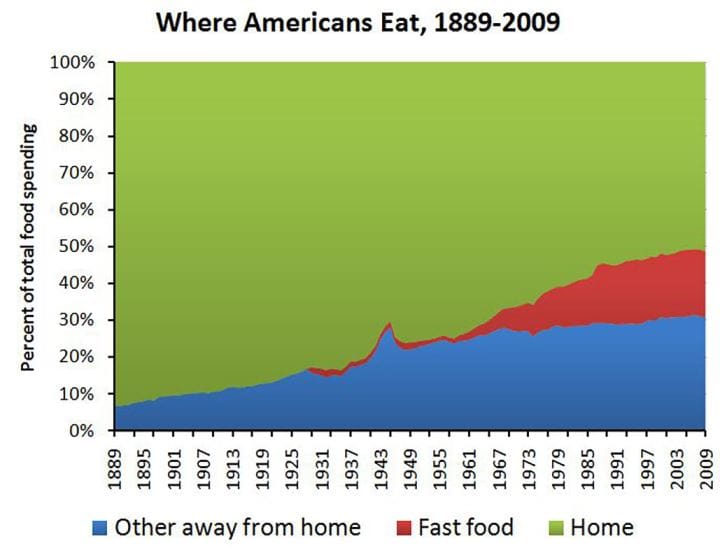
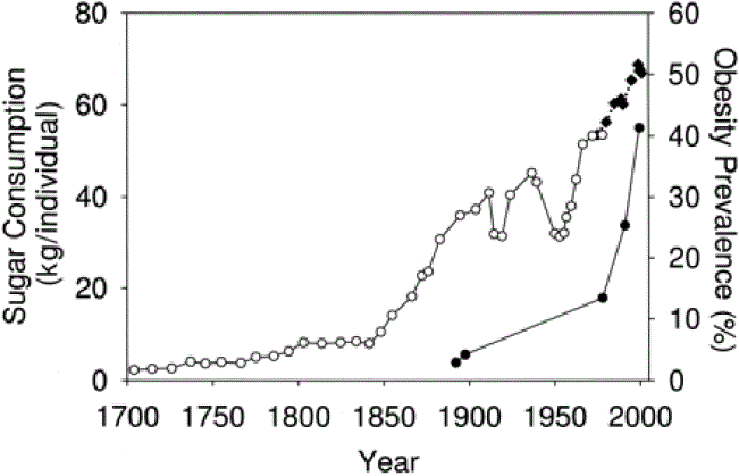
Added sugar is extremely unhealthy. But it makes food taste delightful most of the time! While some of us may choose to not monitor their sugar intake regularly, it is very important to know that sugar can lead to lots of health problems. Sugar was found to be linked to belly fat increase. You can find sugar everywhere such as processed foods, so it is understandably common that people are constantly searching for fatest ways to lose weight. Everywhere modern processed foods go, chronic diseases like obesity, type 2 diabetes and heart disease soon follow. The studies are clear on this... when people abandon their traditional foods in favor of modern processed foods high in sugar, refined flour and vegetable oils, they get sick. Studies show that it has uniquely harmful effects on metabolic health. And guess what I found out? That people are eating more processed foods than ever before! Here is a graph below that represents how consumption of processed foods have increased in the past few decades: (Keep in mind that even though it looks like people are still eating most of their foods "at home" - this does not take into account the fact that most people are also eating processed foods at home) Sugar is half glucose, half fructose… and fructose can only be metabolized by the liver in any significant amount. When you eat a lot of refined sugar, the liver accumulates fructose which is then forced to turn it all into fat. A number of studies have shown that excess sugar, mostly due to the large amounts of fructose, can lead to increased accumulation of fat in the belly. How about switching out some of the sugary foods and start implementing some fat burn green tea in your diet? You may look into fat burning supplements. Some believe that this is the primary mechanism behind sugar’s harmful effects on health… it increases belly fat and liver fat, which leads to insulin resistance and a host of metabolic problems. Liquid sugar is even worse... Liquid calories don’t even get "processed" by the brain in the same way as solid calories, so when you drink sugar-sweetened beverages, you end up eating more total calories. Studies show that sugar-sweetened beverages are linked to a 60% increased risk of obesity in children… per each daily serving. (I heard a liquid diet meal planner can work out well) A study conducted by Johnson RJ has found that total sugar intake has skyrocketed in the past 160 years, as seen in the graph below: Make a decision to minimize the amount of sugar in your diet, and considercompletely eliminating sugary drinks so that you don't suffer from weight gain as well. This includes sugar-sweetened beverages, fruit juices, various sports drinks, as well as coffees and teas with sugar added to them. Keep in mind that none of this applies to whole fruit, which are extremely healthy and have plenty of fiber that mitigates the negative effects of fructose. The amount of fructose you get from fruit is negligible compared to what you get from a diet high in refined sugar. And if you want to cut back on refined sugar, then you must start reading labels. Even foods marketed as health foods can contain huge amounts of sugar. The bottom line is this: excess sugar consumption may be the primary influence and growth of belly fat accumulation, especially sugary beverages like soft drinks and fruit juices.
2. IF YOU AREN'T EATING ENOUGH PROTEIN, THEN ITS TIME TO START THINKING ABOUT CHANGING THAT

Protein is the most important macronutrient when it comes to losing weight. It has been shown to reduce cravings by 60%, boost metabolism by 80-100 calories per day and help you eat up to 441 fewer calories per day. If weight loss is your goal, then adding protein to your diet is perhaps the single most effective change you can do. Maybe you can combine a keto diet or an atkinds diet ;) Not only will it help you lose… it can also help you avoid re-gaining weight if you ever decide to abandon your weight loss efforts. There is also some evidence that protein is particularly effective against belly fat (YES) One study showed that the amount and quality of protein consumed was inversely related to fat in the belly. That is, people who ate more and better protein had much less belly fat (19). Another study in Denmark showed that protein, especially animal protein, was linked to significantly reduced risk of belly fat gain over a period of 5 years. This study also showed that refined carbs and vegetable oils were linked to increased amounts of belly fat, but fruits and vegetables linked to reduced amounts. Many of the studies showing protein to be effective had protein at 25-30% of calories. That’s what you should aim for. Integrate some fat burning foods to go along with this approach like the golden milk for an extra added healthy diet for losing belly fat quicker :) So… make an effort to increase your intake of unprocessed eggs, fish, seafood,meats, poultry and dairy products. These are the best protein sources in the diet. If you struggle with getting enough protein in your diet, then a quality protein supplement (like whey protein) is a healthy and convenient way to boost your total intake. Here's a good tip: consider cooking your foods in coconut oil… some studies have shown that 30 mL (about 2 tablespoons) of coconut oil per day reduces belly fat slightly. (Wow!) Recommendation: eating enough protein is a very effective way to lose weight. Some studies suggest that protein is particularly effective against belly fat accumulation.

3. REDUCE THE CARBS FROM YOUR DIET

Carb restriction is a very effective way to lose fat. This is supported by numerous studies… when people cut carbs, their appetite goes down and they lose weight. Over 20 randomized controlled trials have now shown that low-carb diets lead to 2-3 times more weight loss than low-fat diets. This is true even when the low-carb groups are allowed to eat as much as they want, while the low-fat groups are calorie restricted and hungry. Low-carb diets also lead to quick reductions in water weight, which gives people near instant results… a major difference on the scale is often seen within a few days. There are also studies comparing low-carb and low-fat diets, showing that low-carb diets specifically target the fat in the belly, and around the organs and liver. What this means is that a particularly high proportion of the fat lost on a low-carb dietis the dangerous and disease promoting abdominal fat. Just avoiding the refined carbs (white breads, pastas, etc) should be sufficient, especially if you keep your protein high. However… if you need to lose weight fast, then consider dropping your carbs down to 50 grams per day. This will put your body into ketosis, killing your appetite and making your body start burning primarily fats for fuel. Of course, low-carb diets have many other health benefits besides just weight loss. They can have life-saving effects in type 2 diabetics, for example. What you should take from this: studies have shown that low-carb diets are particularly effective at getting rid of the fat in the belly area, around the organs and in the liver.

4. INTEGRATE MORE FIBER INTO YOUR DAILY MEALS.

Dietary fiber is mostly indigestible plant matter. It is often claimed that eating plenty of fiber can help with weight loss. This is true… but it’s important to keep in mind that not all fiber is created equal. It seems to be mostly the viscous fibers that can have an effect on your weight. These are fibers that bind water and form a thick gel that “sits” in the gut. This gel can dramatically slow the movement of food through your stomach and small bowel, and slow down the digestion and absorption of nutrients. The end result is a prolonged feeling of fullness and reduced appetite. One review study found that an additional 14 grams of fiber per day were linked to a 10% decrease in calorie intake and weight loss of 2 kg (4.5 lbs) over 4 months. In one 5-year study, eating 10 grams of soluble fiber per day was linked to a 3.7% reduction in the amount of fat in the abdominal cavity, but it had no effect on the amount of fat under the skin. What this implies, is that soluble fiber may be particularly effective at reducing the harmful belly fat. The best way to get more fiber is to eat a lot of plant foods like vegetables and fruit. Legumes are also a good source, as well as some cereals like oats. Then you could also try taking a fiber supplement like glucomannan. This is one of the most viscous dietary fibers in existence, and has been shown to cause weight loss in many studies. Note: there is some evidence that soluble dietary fiber may lead to reduced amounts of belly fat, which should cause major improvements in metabolic health.

5. DON'T FORGET ABOUT YOUR CARDIO

Exercise is important for various reasons. It is among the best things you can do if you want to live a long, healthy life and avoid disease. Getting into all of the amazing health benefits of exercise is beyond the scope of this article, but exercise does appears to be effective at reducing belly fat. However… keep in mind that I’m not talking about abdominal exercises here. Spot reduction (losing fat in one spot) is not possible, and doing endless amounts of crunches will not make you lose fat from the belly. In one study, 6 weeks of training just the abdominal muscles had no measurable effect on waist circumference or the amount of fat in the abdominal cavity. That being said, other types of exercise can be very effective. Aerobic exercise (like walking, running, swimming, etc) has been shown to cause major reductions in belly fat in numerous studies. Another study found that exercise completely prevented people from re-gaining abdominal fat after weight loss, implying that exercise is particularly important during weight maintenance. Exercise also leads to reduced inflammation, blood sugar levels and all the other metabolic abnormalities that are associated with central obesity. Exercise can be very effective if you are trying to lose belly fat. Exercise also has a number of other health benefits. If you don't have a gym membership, try looking into LA fitness, Planet Fitness, or UFC. Along with your exercises you should keep in mind other factors to watch your fat burning as well as maintaining healthy meals, healthy chicken recipes, healthy snacks and healthy smoothies.

9 Best Exercises To Melt Your Belly Fat


Most of us can agree that if we want to create lean, healthy muscle tissue in our stomachs, it is not the most pleasant experience on the road. The abs are a problem area for many people, and you may have to shed fat before your stomach muscles become visible. That being said, not all abs are created equal. Some people need to work their abs to exhaustion (or death for some) before they can even flatten out their bellies, while other people seem to get their abs to shine atop the Everest Mountain without sweating a couple grains of salty body liquid. But regardless of where you stand on the fitness spectrum, the following exercises below will definitely help to get your abs to show in a short period of time. These workouts target all three planes of your core – frontal, lateral and transverse; and with the circuit style routine, these workouts intensity will remain high and you’ll burn tons of fat – everywhere! Instructions:
  • Perform each exercise for 30 seconds, one after the other with 10 seconds of rest between moves.
  • Start with 2 circuits and work yourself up to 5 circuits.
  • For maximum results, perform this workout 3 times a week on non-consecutive days.
Note: These exercises make use of a barbell (with weights) and a medicine ball with the exception of the last two at the bottom.

1. BARBELL ROLL-UP

  • Load the bar with 10-pound plates and kneel on the floor behind it. Your shoulders should be over the bar.
  • Brace your abs and roll the bar forward, reaching in front of you until you feel your hips are about to sag.
  • Roll yourself back.

2. SWISS BALL CRUNCH

  • Lie back on the ball with feet shoulder-width apart on the floor. Your lower back should be supported by the ball.
  • Place your hands behind your ears and tuck your chin.
  • Curl your body up off the ball until you’re sitting up.

3. FLUTTER KICK

  • Lie on your back with legs straight and extend your arms by your sides.
  • Lift your heels about 6 inches and rapidly kick your feet up and down in a quick, scissor-like motion.

4. FRONT SQUAT

  • Set a barbell on a power rack at about shoulder height (if you don’t have a rack, clean it to your shoulders).
  • Grasp the bar with hands at shoulder width and raise your elbows until your upper arms are parallel to the floor.
  • Take the bar out of the rack and let it rest on your fingertips—as long as your elbows stay up, you’ll be able to balance the bar.
  • Step back and set your feet at shoulder width with toes turned out slightly. This is important – squat as low as you can without losing the arch in your lower back.

5. LEG RAISE

  • Lie on the floor and hold onto a bench or the legs of a heavy chair for support.
  • Keep your legs straight and raise them up until they’re vertical.
  • Lower back down, but stop just short of the floor to keep tension on your abs before the next rep.

6. MEDICINE BALL RUSSIAN TWIST

  • Sit on the floor in the top position of a situp and, holding a medicine ball with both hands, extend your arms in front of you.
  • Explosively twist your body to one side and then twist back. Alternate sides.

7. MEDICINE BALL MOUNTAIN CLIMBER

  • Hold the ball with both hands and get into pushup position on the floor.
  • Drive one knee up to your chest and then quickly drive it back while you raise the opposite knee.

8. ELBOW PLANK

  • Get into pushup position and bend your elbows to lower your forearms to the floor.
  • Hold the position with abs braced.

9. SIDE PLANK

  • Lie on your left side resting your left forearm on the floor for support.
  • Raise your hips up so that your body forms a straight line and brace your abs—your weight should be on your left forearm and the edge of your left foot.
  • Hold the position with abs braced.

Sunday, 23 May 2021

4 Healthy Eating Principles To Lose Weight Faster

REACHING FOR HIGH-ENERGY FOODS

Your body needs fuel to exercise, and the source of that fuel is food. That's why some people report feeling hungrier when they start to work out. If you're trying to lose weight, this could be counterproductive—unless you find the right balance of healthy, filling foods. (Snack AND lose weight with this box of Prevention-approved treats from Bestowed.) The typical American diet is loaded with refined or simple carbohydrates such as white flours, rice, and pasta, and pastries, soda, and other sugary foods and drinks. These carbs, which lack the fiber found in complex carbs (whole grains, fruits, and veggies), are metabolized by your body quickly. So while you may feel raring to go after eating them, that energy boost will soon be followed by a major energy slump, making it hard to give your all during your workouts. In addition, if many of the foods you eat are metabolized quickly, you'll find yourself feeling hungry more often, which could mean more snacking and a higher calorie intake. To keep from eating back all the calories you've burned, stick to a diet based on these 6 science-backed components.

FIBER

Eat at least 20 grams of fiber per day from vegetables, whole grains, and fruits. Fiber helps you by keeping you full for a longer period of time---a huge benefit when it comes to weight loss. A study from Brigham Young University College of Health and Human Performance demonstrated that women who ate more fiber significantly lowered their risk of weight gain. Each gram of fiber eaten was linked to 1/2 pound less body weight. The researchers suspected that higher fiber intake led to a reduction in total calories over time.

CALCIUM & VITAMIN D

Strive for three servings of calcium- and vitamin D-rich foods a day. These nutrients often occur together in foods, especially dairy. Calcium and vitamin D work together in your body, primarily to strengthen your bones. But if the latest research is any indication, both of these nutrients may flex some muscle in your weight loss success. Dairy foods are the prime source of calcium and vitamin D in the diet. In a study from Johns Hopkins Bloomberg School of Public Health, college students who came closest to meeting the three-a-day dairy requirement while eating an otherwise healthy diet weighed less, gained less, and actually lost belly fat, compared with students who consumed little or no dairy. Moreover, vitamin D by itself may play a role in weight control. Extra body fat holds on to vitamin D so that the body can’t use it. This perceived deficiency interferes with the action of the hormone leptin, whose job is to tell your brain that you’re full. And if you can’t recognize when you’re satiated, you’re more likely to overeat. You may also want to consider a vitamin D supplement. The latest research suggests that this nutrient may be a factor in protecting you from everything from heart disease to memory loss and even chronic pain. Evidence is mounting that we need more than the current recommended intakes, especially as we age, because older skin produces less vitamin D (and sunscreens block the body’s ability to use sunlight to produce this vitamin). That’s why the leading experts in vitamin D research are now recommending a daily supplement of 1,000 IU of vitamin D—the kind most readily used by the body. Daily Recommended Calcium Intake Men and women ages 19-50: 1,000 milligrams Men and women age 51+: 1,200 milligrams Daily Recommended Vitamin D Intake Men and women ages 19-50: 200 IU Men and women ages 51-70: 400 IU Men and women age 71+: 600 IU

GOOD FATS

These include monounsaturated fatty acids and omega-3 fatty acids, found in oils, nuts, avocados, certain fish—and yes, even chocolate! Eat 3-4 servings daily. A study published in the journal Appetite shows how these fats—besides being good for your heart—can help you feel fuller longer after meals. The study participants with a higher intake of omega-3 fatty acids (more than 1,300 milligrams a day, either from foods or from supplements) reported feeling less hungry right after their meals, as well as 2 hours later, compared with a lower omega-3 intake (less than 260 milligrams a day). Less hunger means less munching and an easier time keeping calories in check. More specific research has been done on walnuts, a good source of monounsaturated fats. An Australian study had participants follow a healthy low-fat diet, either with walnuts or without. Both groups ate the same number of calories and lost approximately the same amount of weight at 6 months. But during the next 6 months of the year long study, the walnut-eaters continued to lose weight and body fat, while the other group stopped losing—even though they were still following the same diet.  

Instagram